
01
Component Separation
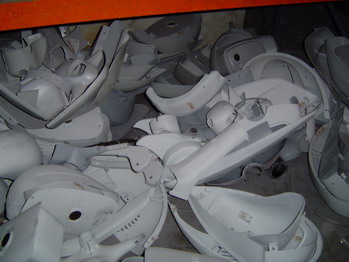
The scooter is stripped down to its individual components and the chassis is inspected for structural damage, rust, cracks and previous repairs.
The Restoration
Every Lancaster Classics restoration begins with understanding the scooter completely before putting it back together.
Each scooter is stripped down to its frame, inspected, repaired where necessary, refinished, rebuilt and tested before it is prepared for its next journey.
The goal is not simply to make an old scooter look new. It is to restore the machine as a whole.
Restoration is a sequence of connected operations. Bodywork, paint, mechanical components, new parts, assembly and testing all have to come together before a scooter is ready to leave the workshop.
The scooter is stripped down to its individual components and the chassis is inspected for structural damage, rust, cracks and previous repairs.
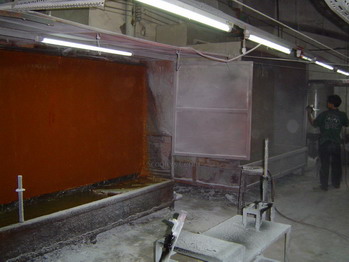
Existing paint is removed through a chemical stripping process, exposing the bare metal for inspection and further bodywork.
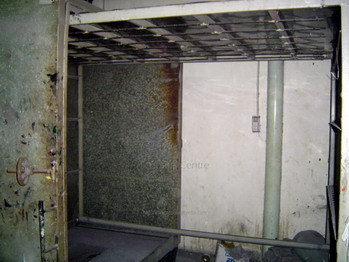
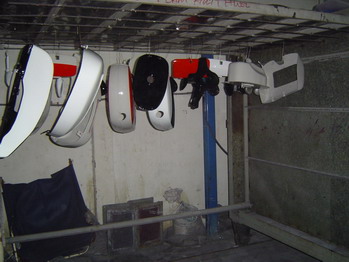
The bodywork passes through a multi-stage paint system including acid etch primer, anti-rust treatment, high-build primer, colour and clearcoat.
Engine components are inspected, worn hardware replaced or refinished, and the engine rebuilt for operation.
Exposed metal components can be powder coated as an optional finish for additional durability and protection.
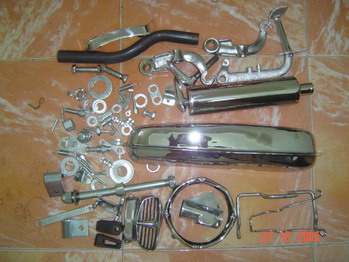
Metal components are polished or chromed according to the component and the chosen restoration finish.
Bearings, seals, gaskets and worn mechanical components are replaced as required, with casings inspected, bead blasted and finished.
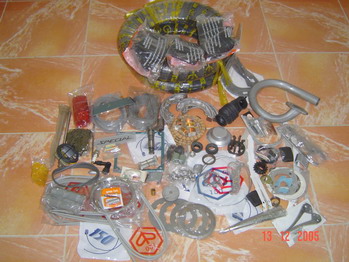
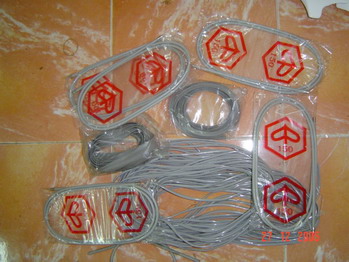
Worn or outdated components such as cables, wiring, rubbers, tyres, brakes, switches and other parts are replaced.
Restored bodywork, engine, forks, wiring, cables and other components are brought back together for final assembly.
Adjustments are completed, the scooter is road tested, checked again before shipping, waxed and prepared for export.
The Frame
The restoration begins by taking the scooter down to its individual components. Once the body is exposed, the chassis can be properly inspected rather than simply covered by a new finish.
Structural issues such as rust and cracks are repaired where necessary. New metal can be welded into damaged areas, while dents are worked by hand using traditional hammer and dolly techniques.
The Paint System
Once the steel has been prepared, the bodywork moves through a multi-stage paint process designed to provide a properly prepared surface, protection and the final colour and clear finish.
01
02
03
04
05
The original process specifies ICI paint products through the primer, colour and clearcoat stages.
While the bodywork is being restored, the engine and gearbox are taken apart, inspected and rebuilt as separate mechanical systems.
01 / ENGINE
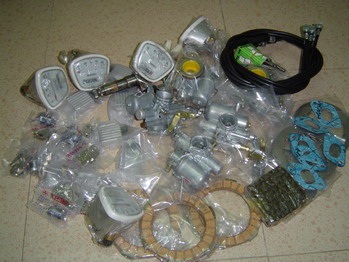
Bearings, piston rings, cylinders, carburetors, clutches, exhausts and other worn components are replaced as required.
02 / GEARBOX
Gears are inspected and replaced where worn. Seals and gaskets are replaced and stripped threads are re-threaded to the original size.
03 / CASINGS
Casings are carefully inspected, bead blasted and polished as part of the mechanical restoration and final presentation.
New Parts
Worn or outdated components are replaced as part of the restoration. The exact parts required vary according to the scooter and its condition.
The complete parts list provides a more detailed view of the new components used during the restoration.
View Entire Parts List →Finishing
Metal components receive their own attention, with polishing, chroming or optional powder coating used according to the component and restoration specification.
01 / POWDER COATING
Powder coating is available as an option for exposed metal parts where a durable, long-lasting finish is required.
02 / POLISHING
Polishing is a traditional treatment and a practical option for components such as aluminium parts.
03 / CHROMING
Chroming is available for selected components, including details such as fender crests, levers, switch housings and other metal parts.
Final Assembly
Once the bodywork, engine and individual components have been restored and finished, the scooter moves into final assembly.
New wiring looms, cables and restored components are installed alongside the engine, forks, floor channel kit and other parts of the machine.
It is a labour-intensive stage where every restored component has to come together as one functioning scooter.
Final Adjustment & Road Testing
Final adjustments are made to cable tension, brake bedding, clutch operation and other controls before the scooter is prepared for shipment.
01
02
03
04
05
Each scooter is road tested for more than 100 km as part of the final adjustment process before being rechecked, waxed and carefully prepared for export.
Restoration Gallery
A look through the restoration process, from individual components and bare metal through to the finished scooter.
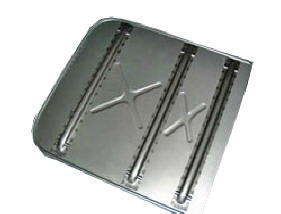
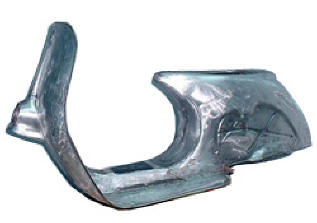
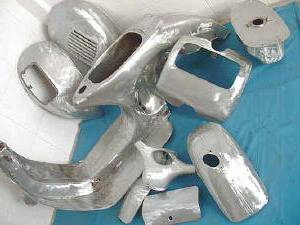
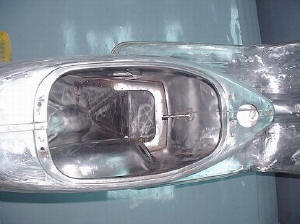
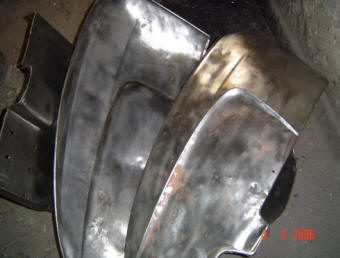
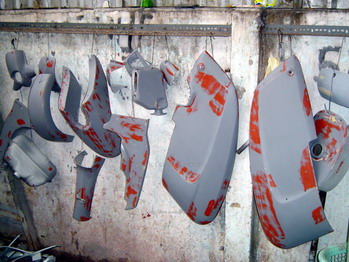
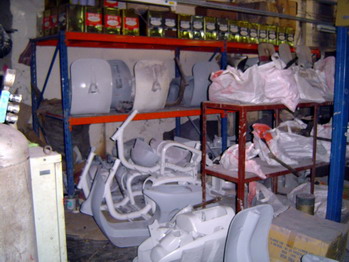
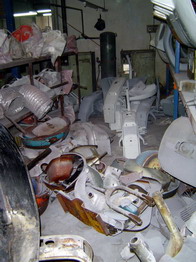
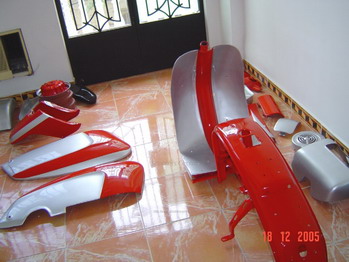
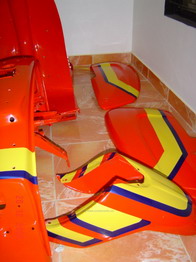
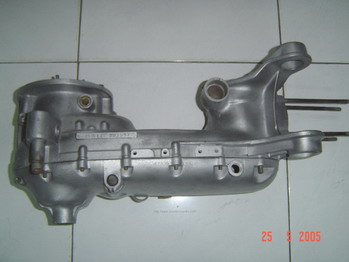
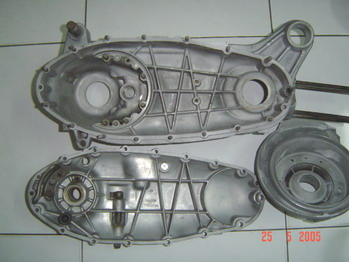
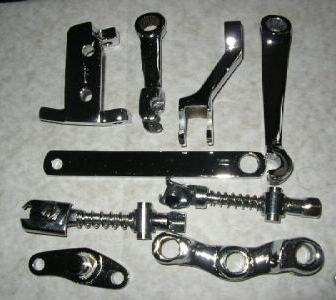
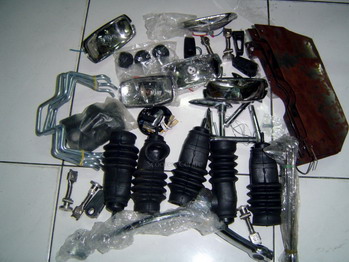
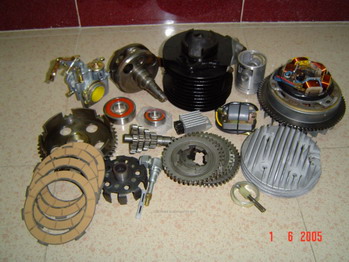
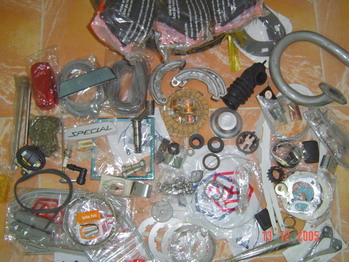
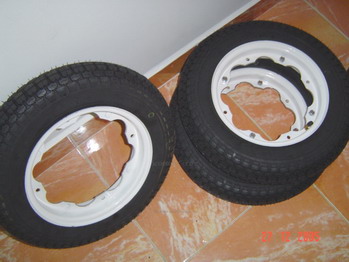
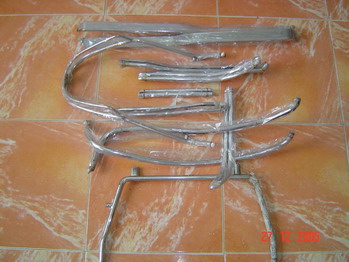
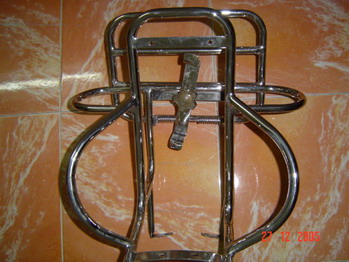
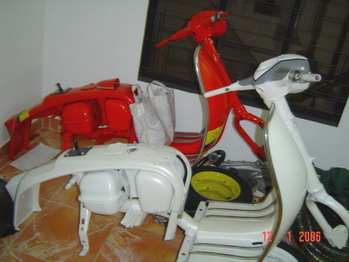
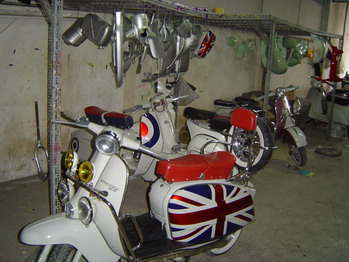
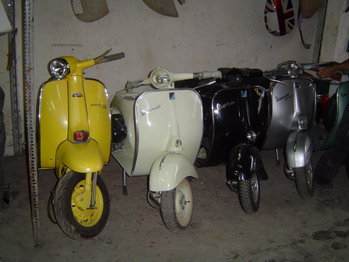
From bare frame to final road test, restoration is a process of taking an old machine apart, understanding what it needs, and putting it back together properly.